A friend recently came to our team at THE METABOLIC HEALTH COACHES, with blood test results that were quite frightening.
The friend’s doctor wanted to begin a regimented drug treatment program, and the friend was not sure what exactly was “wrong”, what exactly was being “treated”, and what exactly was “the best thing to do”.
The friend DID NOT want to take the recommended drugs, as they had concerns of the long- and short-term side effects.
This friend was willing to do “anything nutritionally” to avoid medications and possible surgeries.
Wouldn’t it be great to be of this mindset before the diagnosis?
Have you ever been in a position like the friend?
Do you fully understand why you are being prescribed medication?
The answer lies in the priority placed on prevention. If a nutrition coach is at the front of the everyday lifestyle decisions being made, then often times medications and surgery’s can be avoided or eliminated.
When nutrition coaches are employed after the diagnosis, it becomes a challenge to reverse and eliminate diseases associated with THE METABOLIC SYNDROME, which can be done, but takes a considerable amount of energy and commitment to achieve.
So why don’t the doctors just prescribe correct nutritional programs?

1. Conventional Medical Training Focuses on Medication Over Nutrition
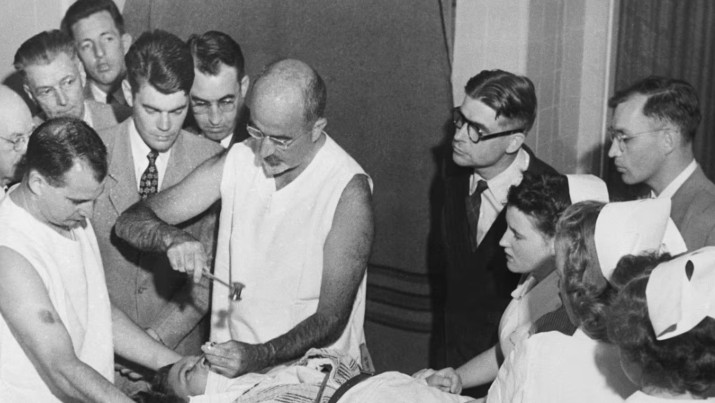
Most Western medical doctors receive limited education in nutrition during their formal training—typically less than 25 hours over four years of medical school. Their approach to diabetes often emphasizes medication management (e.g., insulin, metformin) rather than lifestyle intervention like low-carb or ketogenic diets.
2. Reliance on Standard Guidelines That Lag Behind Emerging Research
Western practitioners typically follow guidelines from organizations like the American Diabetes Association (ADA), which until recently discouraged low-carb diets. These institutions can be slow to adapt despite newer studies showing keto’s effectiveness in improving insulin sensitivity and reducing or eliminating medication needs in type 2 diabetics.

3. Fear of Ketosis Confused with Ketoacidosis
Some practitioners conflate nutritional ketosis (a natural, safe metabolic state from low-carb diets) with diabetic ketoacidosis (a dangerous condition in type 1 diabetes). This misunderstanding can lead to overcautious or incorrect advice, discouraging patients from trying keto even if it’s appropriate.

4. Conflicts of Interest or Systemic Bias Toward Pharma
The Western medical system is closely tied to the pharmaceutical industry, both in terms of funding and continuing education. This can create an inherent bias toward medication as the first-line treatment, rather than promoting dietary changes that could reduce or eliminate the need for drugs.

5. Lack of Personal or Clinical Experience with Keto
Many doctors have not personally explored ketogenic or low-carb approaches and may have limited clinical exposure to patients who have reversed or significantly improved diabetes using these methods. This lack of firsthand success stories or case studies can lead to skepticism or dismissiveness. (so because they don’t know, they dismiss).
Ultimately, Each of us has to be our own best advocates of our own well-being.
Medical practitioners are very important when it comes to treating the broken bodies…. Ultimately, nutrition coaches are there to PREVENT THE BROKEN BODIES.
If you want to talk confidentially to one of our CLINICAL NUTRITION COACHES, and begin a road to metabolic wellness, reversed illness, and an unmedicated life, please reach out to us at THE METABOLIC HEALTH COACHES.
As the saying goes, “AN OUNCE OF PREVENTION IS WORTH A POUND OF CURE”