When you think of an explosion, you usually think of something devastating, or catastrophic.
Well…..THE METABOLIC SYNDROME HAS EXPLODED.
DYSLIPIDEMIA IS ONE OF THE MORE COMMON OCCURRENCES FROM THIS EXPLOSION…..consider these facts:
Since the 1980s:
- Obesity has tripled
- Type 2 diabetes has quadrupled
- Insulin resistance surged globally
These conditions are KEY DRIVERS IN DYSLIPIDEMIA….something which barely existed at scale in the 1980s.
Dyslipidemia—an imbalance of unhealthy fats (lipids) in the blood—is often silent at first, but its visible and physical signs can reveal a deeper metabolic problem. Left unaddressed, it significantly raises the risk of cardiovascular disease, stroke, and other complications.
Recognizing early symptoms and understanding how lifestyle changes—especially nutrition—can help is key to reversing its course.
Early Signs and Symptoms to Watch For
Many people with dyslipidemia don’t experience obvious symptoms until damage has already begun. However, some physical signs can appear:
- Xanthomas: Yellowish, fatty deposits under the skin, often seen on the elbows, knees, or legs
- Xanthelasma: Soft, yellow plaques around the eyelids
- Corneal arcus: A grayish-white ring around the cornea, especially in younger individuals
- Fatigue or chest discomfort: In more advanced cases, linked to reduced blood flow
What’s Happening Beneath the Surface
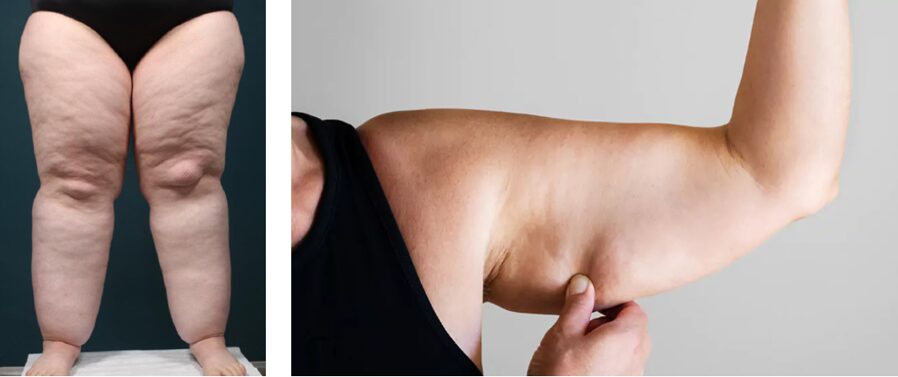
Dyslipidemia typically involves elevated LDL cholesterol, low HDL cholesterol, and/or high triglycerides. These imbalances contribute to plaque buildup in arteries, a process known as atherosclerosis, which underlies many cardiovascular events.
The Role of Nutrition in Reversal
A growing body of evidence suggests that dietary patterns low in refined carbohydrates and rich in healthy fats can significantly improve lipid profiles. A low-carb, healthy-fat nutritional coaching program focuses on:
- Reducing sugar and refined carbs: This helps lower triglycerides and improve insulin sensitivity
- Increasing healthy fats: Sources like avocados, nuts, seeds, olive oil, and fatty fish can raise HDL and shift LDL particle size to a less harmful form
- Moderate protein intake: Supports satiety and metabolic health
- Whole, unprocessed foods: Minimizes inflammation and supports overall cardiovascular function
Measurable Improvements
Participants in these coach lead nutrition programs often see:
- Lower triglyceride levels
- Increased HDL cholesterol
- Improved insulin sensitivity and weight loss
- Reduction in visible lipid deposits over time
Beyond Diet: Coaching Matters
Nutritional coaching provides structure, accountability, and personalization. It helps individuals sustain changes, interpret lab results, and adjust habits for long-term success.
A Visual Journey of Healing
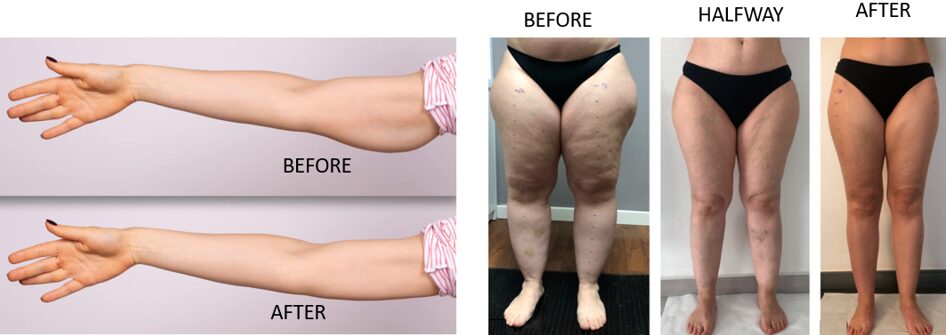
Dyslipidemia doesn’t have to be a lifelong condition. With early recognition and targeted lifestyle interventions—especially a nutrition coach lead program focused on a low-carb, healthy-fat approach—most people can reverse abnormal lipid patterns and reduce their risk of serious disease. The body has a remarkable capacity to heal when given the right coaches and the right nutritional tools.
Dyslipidemia is not a one-way path—it can progress when underlying causes are ignored, but it can also be reversed when those causes are addressed directly.
Many clinical images show a gradual worsening from stage to stage, often reflecting an approach centered on managing symptoms or relying primarily on pharmaceuticals rather than correcting the metabolic drivers.
By contrast, addressing root causes—especially through a low-carbohydrate, healthy-fat, whole-food nutritional approach—can shift the trajectory in the opposite direction.
With guidance from trained nutritional and metabolic coaches who specialize in improving lipid health, individuals can often normalize their markers, reduce visible signs, and significantly lower long-term risk, demonstrating that progression is not inevitable.